February is Black History Month. Year-round, there are opportunities to highlight Black voices, challenge anti-Black racism and strengthen our communities through allyship. This month is a time to be intentional in celebrating and recognizing Black contributions both past and present.
Black History Month was officially recognized in Canada in December 1995 following a motion introduced by the Honourable Jean Augustine, the first Black Canadian women elected to Parliament.
People of African and Caribbean descent, who have been a part of shaping Canada’s heritage and identity since the arrival of Mathieu Da Costa, a navigator and interpreter, whose presence in Canada dates back to the early 1600s. Few Canadians are aware of the fact that African people were once enslaved in the territory that is now Canada, or of how those who fought enslavement helped to lay the foundation of Canada’s diverse society.
Black people in Canada continue to shape history and culture at every level. Black History Month is an opportunity to celebrate Black history today and every day.
This February is Black History Month and we’ve compiled a list of movies, documentaries, books and podcasts to help you engage with and learn about the diversity of Black lives and history in BC and Canada. Explore the selection below, and consider what might you add to your play – or reading – list this month.
Protagonists of the 1969 Sir George Williams University protest reflect on their experience and this critical moment in Canada’s history of race-relations. In response to the mishandling of racism accusations by the Montreal university, a group of Caribbean students occupy a ninth-floor of the institution in protest.
An animated short by Haitian-Canadian film-maker Martine Chartrand that explores defining moments in Black history and culture. Watch as a young boy gets immersed in his grandmother’s storytelling that traces their roots.
Everybody’s Children shares the experiences of two teenage refugees from the Democratic Republic of Congo and Sierra Leone as they navigate settling in and adapting to their new life in Ontario and deal with the complexities and challenges of the refugee application process.
A tribute to Canada’s unsung heroes in their quest for Black civil rights and racial justice. The movies shares the story of six Black activists during the period of 1930 to 1950, including Viola Desmond and Fred Christie.
In the middle of a low-income community facing revitalization and relocation, a 12-year old Black girl searches for belonging and self-expression through the power of art.
We Are the Roots: Black Settlers and their Experiences of Discrimination on the Canadian Prairies (2018)
We Are the Roots tells the stories of Black immigrants who came up from the United States to settle in Alberta and Saskatchewan in the early 1900s to escape slavery and racism – but ended up facing discrimination in both Edmonton and in the rural communities. 19 descendants of original settlers reflect on their histories.
Hear stories that celebrate the people and places of Hogan’s Alley. Did you know Jimi Hendrix spent time in Strathcona with his grandmother Nora Hendrix in 1940s? And that Billie Holiday, Nat King Cole, and Sammie Davis Jr. frequented Vie’s Chicken & Steaks – a soul food haven on Union Street where Nora worked?
This documentary captures the personal stories of Hamiltonians who have experienced blatant and covert forms of racial discrimination. It covers one of the worst racially motivated hate crime Ontario has witnessed in the early 21st century, the arsoning of the Hindu Samaj Temple, and attempts at social justice and healing from the impact of racism. From Ismaël Traoré and Lisa Watt.
Secret Vancouver: Return to Hogan’s Alley (2016), Storyhive via YouTube
The 16-minute documentary takes a look back on how this hotbed of historic jazz was nearly forgotten by time and erased by urban renewal and the viaducts. It’s a must-watch for anyone interested in the rich history of Vancouver.
Inspired by real events and set in the roar of the 1920s, The Porter follows the journeys of an ensemble of characters who hustle, dream, cross borders and pursue their ambitions in the fight for liberation – on and off the railways that crossed North America. It is a gripping story of empowerment and idealism that highlights the moment when railway workers from both Canada and the United States joined together to give birth to the world’s first Black union. Set primarily in Montreal, Chicago and Detroit as the world rebuilds after the First World War, The Porter depicts the Black community in St. Antoine, Montreal – known, at the time, as the “Harlem of the North.”
With a rich selection of classic and contemporary, poetry and prose books written by celebrated Black authors available in store or at your local library, there are countless options that are sure to satisfy every kind of reader. Here are a few gems that you should definitely add to your to-read pile.
The Dyzgraphxst by Canisia Lubrin.
The Dyzgraphxst is a book of poetry. The book moves to mine meanings of kinship through the wide and intimate reach of language across geographies and generations and against the contemporary backdrop of intensified capitalist fascism, toxic nationalism, and climate disaster.
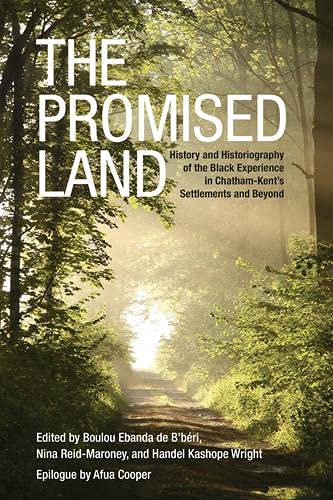
The Promised Land by Ebanda de B’Beri, Nina Reid-Maroney and Handel K. Wright.
The Promised Land presents the everyday lives and professional activities of individuals and families in communities in Chatham-Kent settlements and beyond. It highlights early cross-border activism to end slavery in the United States and to promote civil rights in the United States and Canada. Essays also reflect on the frequent intermingling of local Black, White, and First Nations people.
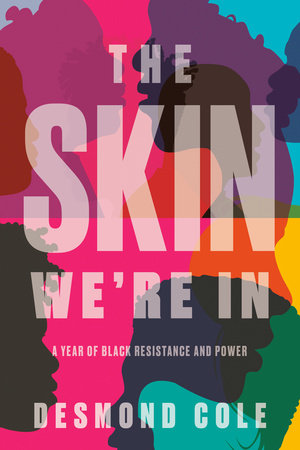
The Skin We’re In by Desmond Cole.
The Skin We’re In chronicles just one year—2017—in the struggle against racism in this country. It was a year that saw calls for tighter borders when Black refugees braved frigid temperatures to cross into Manitoba from the States, Indigenous land and water protectors resisting the celebration of Canada’s 150th birthday, police across the country rallying around an officer accused of murder, and more.
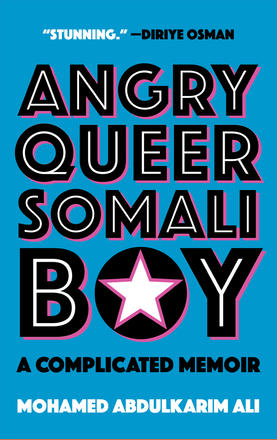
Angry Queer Somali Boy by Mohamed Abdulkarim Ali.
Angry Queer Somali Boy is a memoir by Mohamed Abdulkarim Ali. Kidnapped by his father on the eve of Somalia’s societal implosion, Mohamed Ali was taken first to the Netherlands by his stepmother, and then later on to Canada. Unmoored from his birth family and caught between twin alienating forces of Somali tradition and Western culture, Mohamed must forge his own queer coming of age.
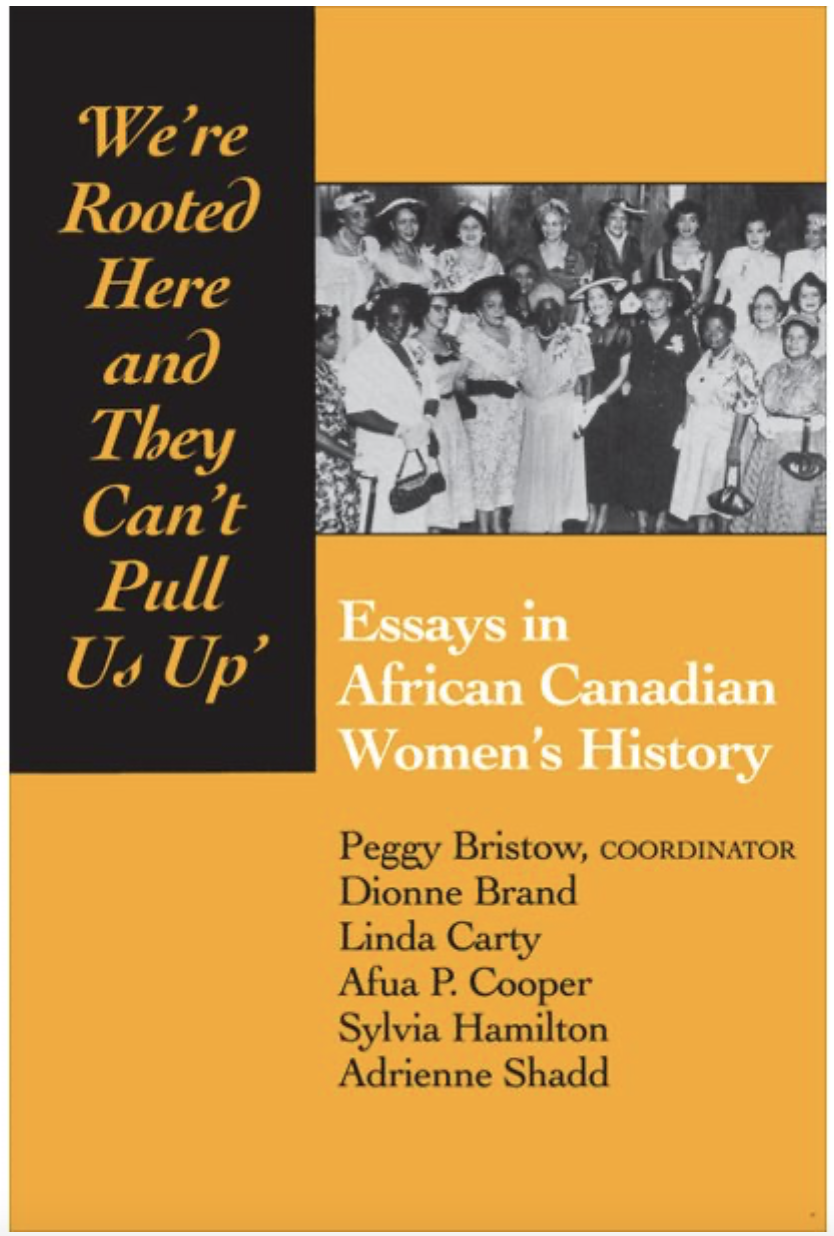
We’re Rooted Here and They Can’t Pull Us Up coordinated by Peggy Bristow.
We’re Rooted Here and They Can’t Pull Us Up: Essays in African-Canadian Women’s History is a collection that explores three hundred years of Black women in Canada, from the seventeenth century to the immediate post-Second World War period.
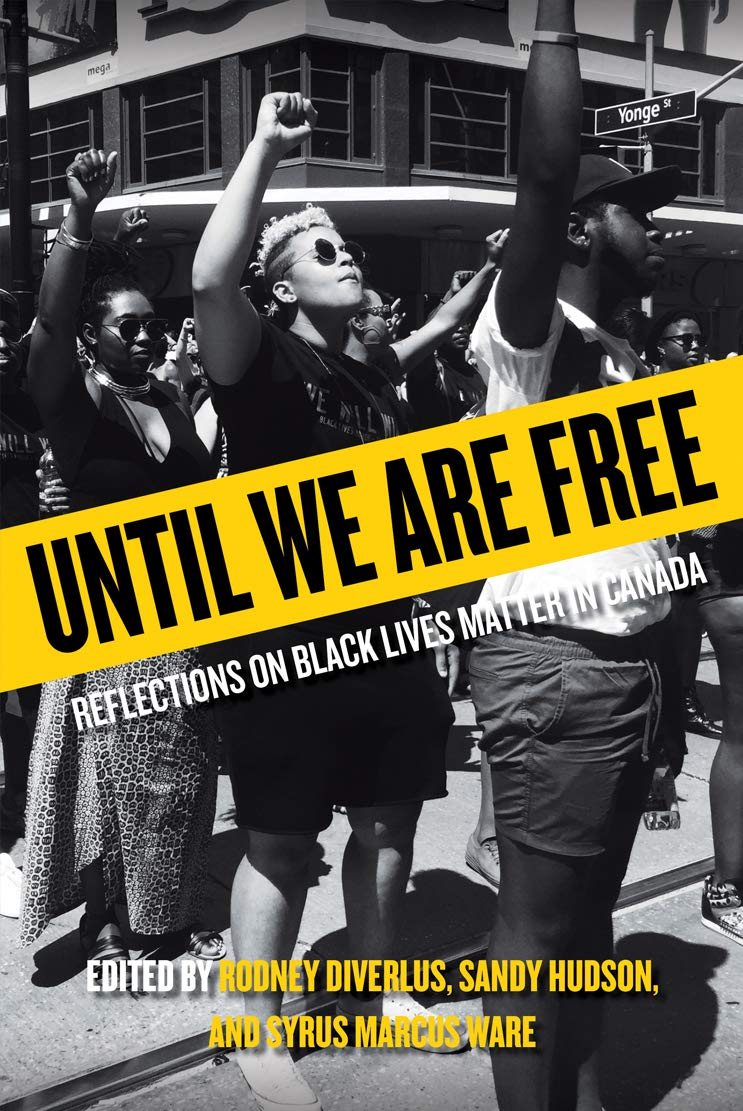
Until We Are Free by Rodney Diverlus, Sandy Hudson and Syrus Marcus Ware.
Until We Are Free describes how the Black Lives Matter movement’s message found fertile ground in Canada, where Black activists speak of generations of injustice and continue the work of the Black liberators who have come before them. It highlights the latest developments in Canadian Black activism, organizing efforts through the use of social media, Black-Indigenous alliances, and more.
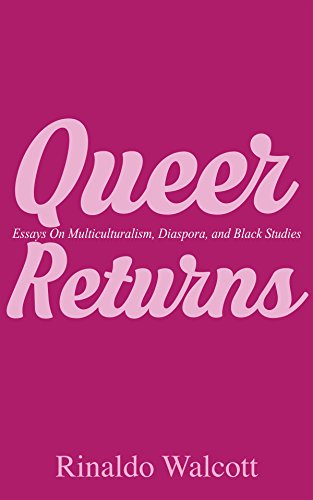
Queer Returns by Rinaldo Walcott
Queer Returns is an collection of essays that question what it means to live in a multicultural society, how diaspora impacts identity and culture, and how the categories of queer and Black and Black queer complicate the political claims of multiculturalism, diaspora, and queer politics.
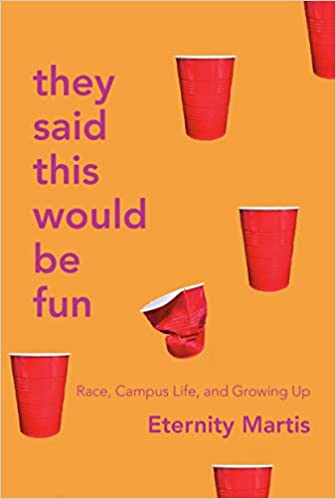
They Said This Would Be Fun by Eternity Martis.
They Said This Would Be Fun is a memoir about what it’s like to be a student of colour on a predominantly white campus. Eternity Martis was excited to move away to Western University for her undergraduate degree. But as one of the few Black students there, she soon discovered that the campus experiences she’d seen in movies were far more complex in reality.
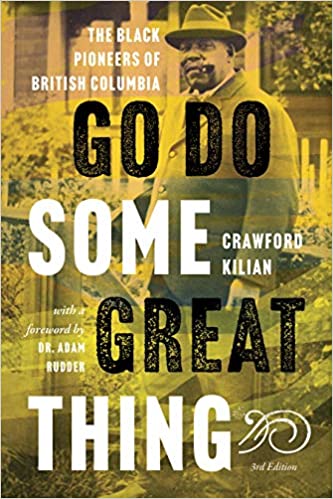
Go Do Some Great Thing by Crawford Kilian
Go Do Some Great Thing evokes the chaos and opportunity of Victoria’s gold rush boom and describes the fascinating lives of prominent Black pioneers and trailblazers in British Columbia, from Sylvia Stark and Saltspring Island’s notable Stark family to lifeguard and special constable Joe Fortes, who taught a generation of Vancouverites to swim.
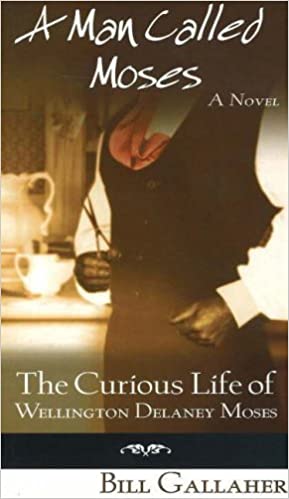
A Man Called Moses by Bill Gallaher.
A Man Called Moses is a historical novel that describes Moses’s departure from the Caribbean island of his birth, the fearful realities of slavery and the terrors of working with the Underground Railroad in the United States, the early roots of colonial society and democracy in Victoria and, finally, Moses’s part in the always-spirited life along the creeks of Barkerville.
Dear Occupant: A Memoir by Chelene Knight
Dear Occupant is a creative non-fiction memoir about home and belonging set in the 80s and 90s of Vancouver’s Downtown Eastside. Using a variety of forms, Knight reflects on her childhood through a series of letters addressed to all of the current occupants now living in the twenty different houses she moved in and out of with her mother and brother.
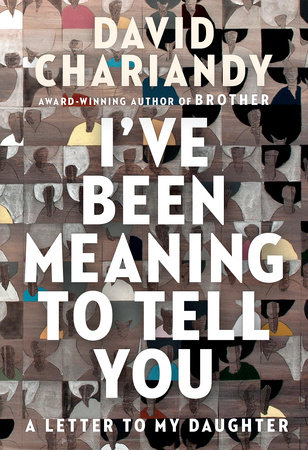
I’ve Been Meaning to Tell You by David Chariandy.
I’ve Been Meaning to Tell You is a meditation on the politics of race today. When a moment of quietly ignored bigotry prompted his three-year-old daughter to ask “what happened?” David Chariandy began wondering how to discuss with his children the politics of race. A decade later, in a newly heated era of both struggle and divisions, he writes a letter to his now thirteen-year-old daughter.
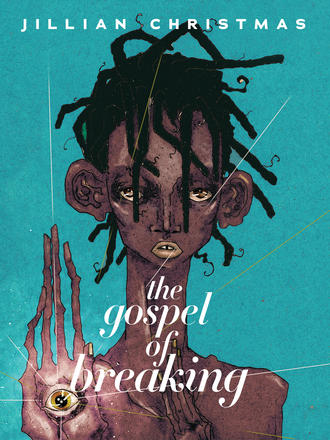
The Gospel of Breaking by Jillian Christmas
The Gospel of Breaking is a book of poetry. Christmas extracts from family history, queer lineage, and the political landscape of a racialized life to create a rich, softly defiant collection of poems.
Podcasts
The following is a series of vignettes spotlighting some of the Black Canadians that have marked the country’s past, as well as those that are marking Canada’s present.
The Secret Life of Canada
A podcast that talks about people, places and events that your high school history class might’ve skipped over. Co-hosted by Leah Simone-Bowen and Falen Johnson, a first generation Black Canadian and Mohawk and Tuscarora from Six Nations.
Do you know what it’s like to be Black in Canada? Torontonians Dalton Higgins and Melayna Williams talk about important issues relevant to the Black community in our country and around the world.
On December 10, we’re celebrating International Human Rights Day. This year, we’re reflecting on equality and equity. UBC Human Rights Advisors Oluwaseun Ajaja and Libby Zeleke, and UBC Inclusion Action Plan Coordinator Okong’o Kinyanjui lead us in discussion on human rights and share their favourite resources.
Learn about your rights
BC’s Human Rights Grounds
The BC Human Rights Code protects 14 grounds of discrimination. Everyone has the right to be free of discrimination based on:
age (actual or perceived)
ancestry
colour
family status
marital status
physical or mental disability
place of origin
political belief
race
religion
sex
sexual orientation
gender identity or expression
criminal conviction unrelated to employment
Human Rights at UBC
UBC Policy #SC7 on Discrimination & Harassment highlights UBC’s commitment to creating a study and work environment that is free from discrimination on those grounds protected by the BC Human Rights Code. The Policy provides procedures for making complaints, responding to complaints (up to and including formal investigation), and remedies to address instances of discrimination.
UBC Vancouver Anti-Racism Human Rights Advisor Oluwaseun Ajaja shares more information on human rights at UBC, as well as his guiding philosophies. UBC Okanagan Human Rights Advisor and Respondent Support Advisor Libby Zeleke discusses her role and shares her favourite resources, and Inclusion Action Plan (IAP) Coordinator Okong’o Kinyanjui talks about the experiences that lead him to UBC, and how he stands up for equality and equity wherever he goes.
For International Human Rights Day on December 10th, Okong’o Kinyanjui, Inclusion Action Plan (IAP) Coordinator at UBC Vancouver reflects on his trajectory, equity and equality.
Can you talk a bit about the work you do?
My role as the IAP Coordinator is to support Action Planning Teams (APTs) with administrative and communication support. This includes scheduling meetings as well as developing and circulating agendas, materials, and minutes. I also support communication across and within APTS and also support them in setting up end-user consultations. Action Planning Teams are responsible for developing work plans to realize the 12 prioritized IAP actions that require implementation at the institutional level.
What made you decide to do this kind of work?
Growing up in Kenya, I lived in constant fear of being outed and imprisoned under Kenya’s colonial 14-year imprisonment penalty. This prejudiced colonial penal code has prevented us as queer people from mobilizing for our rights, sharing resources in times of need, and building meaningful connections with each other. This situation drove me into what I term life-threatening isolation, but virtual networks saved and sustained me until I could find acceptance in my immediate environment.
This led me to co-found the Queer African Network (QAN). We ensure that every queer person in Africa, and its diaspora, have access to fulfilling social connections and the resources to self-actualize.
While I was a student, I received a full academic scholarship to study at Quest University Canada, which is where I served on the Equity Diversity Committee, as well as the elected Human Rights Minister and, later, as President of the Quest University Students’ Association.
It’s really interesting to come from a context like Kenya where you can literally be imprisoned for your sexuality, to working in a university in more rural B.C., to now being at UBC. Across all the work I’ve done, it’s been critical to have solid knowledge on JEDI.
What has shaped your philosophy around human rights?
I first encountered Ali Bhagat in an undergraduate course. Ali Bhagat’s research challenges the notion of Cape Town as a safe haven for queer migrants by looking at how race, class, and migration/legal status intersect to disproportionately marginalize black queer African migrants. His work does a great job of highlighting how the city scape (and the inadequate distribution of access to safety) is by design.
Often, queerness in Africa is only talked about from the legal or the Sexual Reproductive Health Rights (SRHR) lens, but S.N. Nyeck’s body of work examines the queer lived experience on the continent. For S.N. Nyeck, “queerying” is a critical praxis and the first step to understanding how innovation emerges from the margins and quotidian life.
Stella Nyanzi is another scholar who researches a lot about queer experiences in Africa, and especially in an educational context. She talks about radical rudeness and writes these really rude poems where respectability politics go out the window. She helped me understand that when your rights and freedoms are threatened, it is no use to be self-silencing in favour of appearing respectful.
What are some films you recommend?
Kenya’s first queer film, Stories of Our Lives, was made by someone I know, and them and their team were thrown in prison for this. It was the first time I saw a queer film by and for Africans when I was a teenager and it completely moved me.
Call me Kuchu follows David Kato, a queer activist in Uganda, who was unfortunately murdered before the film came out. Kuchu is a slur — it’s like the equivalent of queer before it was reclaimed.
I am Samuel is a powerful film that just came out this year, and the Kenyan government banned it. When it was released, we worked with our community in Kenya to organize secret screenings in opposition to the ban.
This year’s United Nation Human Rights Day theme is around Equality. Can you reflect a bit on what this theme means to you?
Queer African migrants and asylum seekers don’t really have equal opportunities to succeed and to self-actualize. Even within the process of seeking asylum, migrants not only face prejudice from immigration officials but from other migrants as well. Turning to UBC and Canadian higher education institutions more broadly, I’d also say that there’s a certain way that international students and staff can be perceived. Specifically, international students are often thought of as wealthier individuals who can afford to be here, and rarely as individuals who aren’t allowed to be themselves in their own communities.
For international Human Rights Day on December 10th, Oluwaseun Ajaja explains his role at UBC and shares his favourite resources.
Can you talk a little bit about the work that you do?
I sit within the human rights team at the Equity & Inclusion Office. We hold space, provide support for, and advise UBC community members on issues of discrimination, harassment, and other human rights concerns they might have. Policy SC 7 – UBC’s Discrimination Policy – is the primary document that guides our work. And the policy itself is based on the B.C. Human Rights Code. As such, its scope is narrower than that of the Code. Within the Human Rights team, my role focuses on race-based complaints with their unique nuances that are often not easily understood and, as such, usually fall through the cracks.
Nipping in the bud, supporting, and advising UBC community members in a way that centers these concerns is my primary responsibility. Of course, success here requires collaborating with the various units, departments, and faculties on campus. In all, I see my role at UBC as one that loosely supports UBC community members as they live, learn, conduct research, associate amongst one another in a way that dignifies their differences and celebrates their sense of belonging irrespective of their race or other expressions of identity. My colleagues and I also try to ensure that those who approach our office for support leave feeling a little better and dignified than when they walked in.
What contributed to your desire to do this work?
I grew up under a brutal military dictatorship. The acute sense of restricted freedom I felt growing up instilled in me the importance of freedom, particularly what my mother refers to as responsible freedom. In my early teens, I was introduced to and gradually began to understand that responsible freedom would remain unachievable without sensible advocacy.
At the same time, I also realized that the responsibility for making and pushing for things to be better could neither continue to be futuristic nor left for others. Instead, it is a shared responsibility underpinned by a sense of urgency – both of which continue to guide my work.
The push for responsible freedom and sensible advocacy sums up human rights advising. And sufficient understanding and expertise in both are integral to human rights advising. So, the quest to ensure that freedom is reasonably pursued and advocacy is sensibly expressed, especially for those who neither have the voice nor freedom, led me to and remain the push for continuing in this work.
What philosophies have shaped your perspective?
Awareness, understanding with compassion, and participation are the three philosophies that shape my perspectives. I believe that the simpler the philosophies are, the easier it is to live up to them.
Awareness is self-explanatory. You can never know too much. Even on issues where you perceive yourself as an expert, changes show up in ways you least expect, exposing the frontiers of your ignorance. Constant awareness makes you teachable, and continuous learning is the best defense against ignorance and the consequential harm that results.
Similarly, being aware is usually not enough. Human rights advising is broad, fluid and inherently difficult. Usually, the concerns that people raise are simultaneously steeped in a painful past, a challenging present, and a hopeful future. Navigating these require a sense of compassionate understanding. This is the best way to build trust. And I can overemphasize the importance of trust in this work. Once you lose the trust of the parties, this job that is inherently difficult immediately becomes almost impossible.
The third is participation. Human rights advising is a collective job. Success usually requires collaboration from the victims and alleged perpetrators. Collective participation matters even when the issue being discussed seems simple. Human rights issues are never simple. They are usually multilayered. Collaborative participation is one way to ensure that people would continue to exercise their freedom reasonably even when the avenue to exploit others becomes available.
What are some books on human rights that you recommend?
That’s a tough one. How do I pick? I guess I’ll focus on recently published books then. The first is Re-Imagining Human Rights by Williams R O’Neill. O’Neill challenges the philosophy of Jeremy Bentham, who said that the concept of naturally occurring rights is nothing but nonsense on stilts. This book re-argues that rights are neither created out of thin air nor indeed bestowed by the government. Instead, codified rights are simply natural rights that society – for a plethora of reasons – have denied groups of people, either based on their race, gender, sexual orientation etc. Thus, in the loose sense, human rights are nothing more than exerting deliberate acts to remove the artificial constraints to the full realization of these naturally occurring rights. Once you understand this, you will begin to rethink the notion of human rights as attempts to actualize what already exists rather than the creation of new concepts of rights.
The second book I will recommend is The Debasement of Human Rights by Aaron Rhodes. This book is best succinctly summarized by the words Benjamin Franklin when he noted that “those who would give up essential liberty, to purchase a little temporary safety, deserve neither liberty nor safety.” This book traces how human rights have been so debased for the yet to be realized promises of an egalitarian economic prosperity, political equality, and other false notions of equitable safety. The effect is that we have lost on all fronts, with members of marginalized communities bearing the more significant brunt.
The third book I will recommend is appropriately titled Rescuing Human Rights by Hurst Hannum. I think the title is self-explanatory.
What advice do you have for people in the UBC community?
Human rights — which are simultaneously broad and restrictive — are essential to a thriving UBC. Like I said at the beginning of this interview, the responsibility of ensuring that UBC becomes a place where our differences are celebrated and our diverse identities appreciated is collective. It could be as simple as being teachable about our blind spots on human rights issues or a willingness to engage with others outside our comfort zone with compassionate understanding.
This year’s United Nations Human Rights Day theme is around Equality. Can you reflect a bit on what this theme means to you at a personal or collective level?
I am not surprised by this theme because it is where we are or at least aspire to be. At the local level, it could be as simple as attempting to answer the question “what happened to you” when human rights concerns are raised. It could also mean providing support and resources based on the level of need of an individual within a local context rather than as a collective. The collective is where it gets interesting because it is about drastically reducing the artificial barriers to access. And I use the term ‘artificial barriers’ deliberately because most of the constraints on human rights are a mirage — but a mirage sustained by institutions of colonization and exploited by the powerful in hopes of maintaining the status quo.
For International Human Rights Day on December 10th, Libby Zeleke explains her role at UBC, reflects on the UN’s theme of equality and shares her favourite resources.
Can you talk a little bit about your role?
In my role, as a member of the Equity & Inclusion Office, I fulfill a dual mandate under the UBC Discrimination Policy and the UBC Sexual Misconduct and Sexualized Violence Policy.
I advise students, staff and faculty at the Okanagan campus who have human rights-related discrimination and harassment concerns. In responding to concerns, I often work with Administrative Heads of Unit to consult and informally resolve a range of issues. I also have a role in initiating formal complaints where appropriate and providing education and guidance on the interpretation and application of the Policy.
In my role as a Respondent Support Advisor, I work with campus partners to ensure members of the UBC community who are responding to complaints of sexual misconduct have information about their rights and responsibilities, the investigation process, procedural fairness along with available supports and resources.
What made you decide you wanted to do this kind of work?
For many years, I have been involved in scholarship, creative work and with community and social justice groups — all of which have demonstrated to me the ever-evolving and transformative potential of human rights.
In recent decades, this rich history has included unprecedented shifts in law and policy. For instance, I have directly participated in changes that led from a traditional, medical model of disability to one incorporating principles of accessibility and inclusion. I have also seen many changes in understanding individual rights through to more complex, systemic dimensions of discrimination and collective rights. These are only a few of the inspiring shifts that have come about because of individuals and communities — people who believed they were treated differently and advocated to eliminate unjust and persistent patterns of inequality.
I believe that at the heart of the work of human rights are individuals and groups who have rethought and re-envisioned social and cultural arrangements to make them more accessible and meaningful. I am grateful for the many contributions of these advocates and scholars who have dedicated their lives and careers to this work.
What has shaped your philosophy around human rights?
My work in human rights is very much informed by critical social justice and decolonization frameworks.
Universities are uniquely positioned to co-create transformative spaces for reimagining human rights and for engaging in institutional change and reflection. This includes the ongoing work of understanding the histories of discrimination and colonization and its continued impacts into the present.
It also means forging new ways for thinking about rights with communities that reflect our issues and aspirations.
Can you recommend some resources, such as books or films about human rights?
There are so many great resources that examine the complex histories of discrimination, racism and colonization. The previous Senior Advisor to the Provost on racialized faculty, Dr. Minell Mahtani, hosted the Ignite Book Club and invited some amazing authors to UBC — David Chariandry, author of I’ve Been Meaning to Tell You: A Letter to My Daughter; Jenny Hiejun Wills who wrote Older Sister. Not Necessarily Related: A Memoir; and Desmond Cole, The Skin We’re In: A Year of Black Resistance and Power. Some of the books I’m currently reading are written by UBC faculty: This Wound is a World by Billy-Ray Belcourt, and Five Little Indians by Michelle Good.
The Equity & Inclusion Office has a media library including webcasts and podcasts here. There are also many excellent films and documentaries available on-line. While this is of course, an incomplete list, some of the films in my current library include: Black Mother, Black Daughter;the Ninth Floor; Kanehsatake:270 Years of Resistance; Long Time Comin’; and Forbidden Love.
What’s one thing you’d like students to know about their rights at UBCO?
All students at UBCO are encouraged to contact me directly if they have questions or concerns related to discrimination whether it’s an informal conversation or a formal complaint.
I appreciate that students may face many barriers when dealing with their concerns of harassment and discrimination. It may be difficult to know where to find support and what recourse is available. Students may feel alone and uncertain about whether their situation falls within UBC Discrimination Policy and process. It may not always be clear what constitutes discrimination or what steps students can take to address complaints.
Through informal consultation in a confidential and supportive environment, I work with students to respond to inquiries, clarify the Policy and discuss potential options to resolve and address their concerns. I also work to support and advise students who have formal complaints of sexual misconduct filed against them or who believe they may be a named party to a complaint.
Can you reflect a bit on what the UN International Human Rights Day’s theme of Equality means to you?
The 2021 UN Theme refers to Article 1 of the Universal Declaration: “All human beings are born free and equal in dignity and rights.” This theme is especially poignant given health and other disparities revealed by the COVID-19 pandemic and ongoing environmental disasters that continue to have profound impact on us all. Considering these events, and in preparation for “recovery”— the UN theme calls for a recommitment to a compassionate human-rights based response — one where power and resources are more equally shared and distributed, and where everyone has the right to safe and healthy environments. Amid growing inequity, oppression, and violence, it is even more critical that we work together to set a path grounded in equality that invites meaningful participation of those most impacted.
The United Nations (UN) selected December 3 as an opportunity to get engaged and mark International Day of Persons with Disabilities. This is a day to highlight the rights and celebrate the contributions of people with disabilities while also calling for advancements in the inclusion of persons with disabilities in every part of society.
This year’s theme is “Leadership and participation of persons with disabilities toward an inclusive, accessible, and sustainable post-COVID-19 world.” The COVID-19 pandemic hastened the adoption of technology and other innovations that improved accessibility for many people. Yet, continued conversations about accessibility on and off campus are important to ensure that we all have equal opportunities to participate in class and at work.
Visit the Centre for Accessibility at UBC Vancouver to access facilitation with accommodations and programming designed to remove barriers for students with disabilities.
The Disability Resource Centre (DRC) at UBC Okanagan facilitates disability-related accommodations and programming initiatives to remove barriers for students with disabilities and ongoing medical conditions.
Stay at Work/Return to Work Program and Equipment Accommodation Fund
The Stay at Work/Return to Work Program provides support to faculty and staff who are dealing with an illness, injury or disability. Learn about services that can help with managing a medical condition or disability.
The Disability Affinity Group provides an opportunity for faculty and staff living with disabilities to regularly meet and build a community of support, learning, and solidarity. Group members can share knowledge, strategies and resources they can apply to their own experiences as disabled staff and faculty.
Did you know UBC is a member of Accessible Employers, a Presidents Group initiative? The Presidents Group is a network of 25 change-driven BC business leaders who are champions for more accessible, inclusive workplaces. Get in touch with the UBC Equity & Inclusion Office to learn more about resources, learning opportunities and engagements available to UBC employees through our membership.
UBC’s Canada Research Chair Program recently released a report on the barriers and inequities faced by scholars with disabilities. The report addresses how assessments of productivity and scholarly activities might prevent scholars with disabilities from participating in the program, and how those assessments might be changed. It also investigates why the current hiring process is not effective for scholars with disabilities.
On this episode of the Docs with Disabilities podcast, UBC Accessibility Advisor Dr. Laura Bulk discusses the experiences of learners who have disabilities and how to create a more inclusive environment in health professions.
In Canada, on November 20th, we mark Trans Day of Remembrance. We know that trans people at UBC and in our broader communities continue to face stigma, discrimination, and violence. Each year, the list of those murdered in acts of transphobia continues to grow.
While a single day is not enough to counteract the ongoing erasure of trans people’s stories and lives, we take this day to intentionally mourn and honour those who were killed due to anti-trans hatred or prejudice, including those who died by suicide.
In 2021, this day is made more poignant as I reflect on the work of the Trans, Two-Spirit, and Gender Diversity (T2SGD) Task Force and consider with anticipation the release of its upcoming report to the university community. Included in the report are the findings from the gender diversity audit conducted in spring 2021 which summarize and amplify the experiences of UBC’s trans, Two-Spirit, and gender diverse community members.
Reviewing the audit, I was particularly dismayed and struck by the need to address some of the following:
85 per cent of T2SGD respondents to the audit survey reported experiencing discrimination at UBC;
T2SGD respondents with disabilities are twice as likely to provide informal and uncompensated education – often out of necessity and pressure – compared to those who are without disabilities;
jokes, inappropriate comments, and repeated misgendering were all noted as sites of harm for T2SGD students, faculty, and staff;
58 per cent of T2SGD respondents feel they belong at UBC, compared to 79 per cent of non-T2SGD respondents;
76 per cent of T2SGD respondents think UBC needs to do more to ensure their safety and inclusion;
78 per cent of T2SGD people say cultural change at UBC would have a very positive impact on their lives;
85 per cent of cisgender respondents are not aware of existing resources on how to support T2SGD people at UBC.
We anticipate the release of the full report in early 2022, accompanied by recommendations that will guide UBC toward realizing its commitment to be an equitable and respectful environment for trans community members. As we await the report and recommendations that will guide efforts towards systemic change across the university, I invite trans community members and allies to join me at this year’s events that recognize Trans Day of Remembrance.
If you are approaching this day with little awareness of trans experiences, culture, and history, I encourage you to dedicate time to learning.
22 per cent of T2SGD people reluctantly and informally educate and advise on gender diversity regularly to members of the UBC community, yet the onus is on each of us, as allies, to learn about trans experiences and ways to support trans inclusion at UBC and beyond.
As we reflect on trans lives and experiences, I want to acknowledge the additional and disproportionate burdens that members of the trans community (along with other equity-deserving groups) continue to experience during the COVID-19 pandemic. In addition to the existing stigmatization, discrimination, violence, food insecurity, and barriers in access to care, trans community members have had to navigate reduced access to support services and gender-affirming care, social isolation, the exacerbated ongoing mental health disparities, and negative economic impacts – challenges that have further disproportionally affected trans people of colour.
As a recent example of some of the day-to-day challenges, the process to confirm the proof of vaccination in BC has introduced additional privacy concerns and potential for disclosure of one’s legal name. Legal name disclosure raises fears of being outed, confronted, or referred to by a name and/or pronouns that do not reflect someone’s identity. While the government is working to resolve this, you can review our recent advisory to the UBC community on this topic. It provides guidance for reducing potential harm that may occur as a result of legal name disclosure during proof of vaccination checks.
With deep love and care for the T2SGD people who have died and for those who are still with us,
The BC Vaccine Card currently discloses a person’s legal name. For many trans, Two-Spirit, and non-binary people, legal name disclosure raises fears of being outed, confronted, or referred to by a name and/or pronouns that do not reflect their identity.
The BC Vaccine Card is managed and issued by the government of British Columbia. The government is working to resolve the issue of legal name exposure, which is well known as a safety and human rights issue; however, a resolution will take time. As a result, we are publishing the following information as an advisory to the UBC community in order to reduce potential harm that may occur as a result of legal name disclosure.
Two-Spirit, trans, and non-binary people have the right to be referred to by their correct name and pronouns, and to not be outed. These rights persist even if they have not legally changed their name.
Recommendations for trans, Two-Spirit, and non-binary people
If you have not changed your legal name
It may be helpful to ensure your photo ID accurately reflects your current appearance. You can update your photo ID at an ICBC driver licensing office.
You can also ask for a “carry letter” from your doctor or counsellor. This is a letter that confirms your chosen name and pronouns and indicates that you are not attempting to perpetrate fraud by using a name and pronouns not reflected on your government-issued identification. Trans Care BC has created a template document accessible by searching “carry letter” on their site.
If you would like to change your name, follow the Trans Care BC guide on changing your name and/or gender markers.
If you have changed your legal name
The BC Vaccine Card may not display your updated legal name. To resolve this issue:
Re-generate your card. This may automatically update your name.
If your re-generated card does not update your name, call the BC Immunization Line at 1-833-838-2323. They will help you update your information.
Recommendations around vaccine verification best practices
Recommendations around vaccine verification best practices
When verifying vaccine status, the following best practices can minimize harm to trans, Two-Spirit, and non-binary people:
Ensure that the person verifying vaccine status is trained in confidentiality practices and is familiar with practices towards safety, respect and inclusion of Two-Spirit, trans, and non-binary community members.
a. Do not comment on legal name where it is different from the chosen name.
b. If more detailed conversation is required to verify vaccine status, move to a private location.
c. Do not disclose legal name information to anyone.
d. Ensure familiarity with carry letter format and content.
2. Whenever possible, confirm vaccine status once and retain a record rather than checking repeatedly.


 The
The 